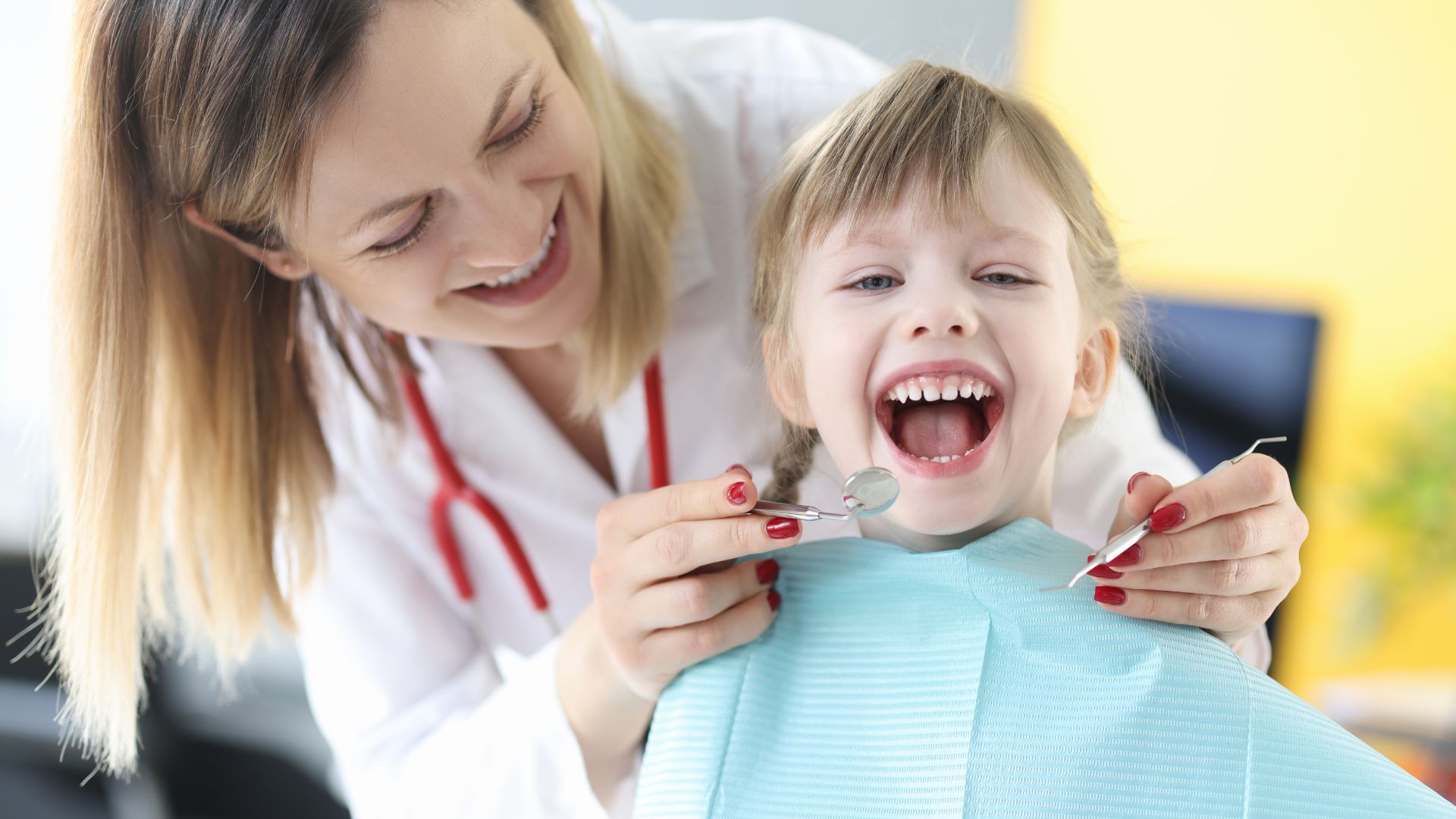
Watching your infant grow and develop is exciting. Just as it is essential to care for your child's overall health, it is also important to care for their oral health from birth. A pediatric dentist can provide infant dental care that supports lifelong oral health. Our team at Myriam Cerezo, DMD, Pediatric Dentist will provide your child with the gentle, quality care they deserve.
Tooth Cleaning Techniques for Infants
There is a myth that brushing an infant's teeth is not necessary until the parent weans them. The truth is that dental care should start from birth. Although baby teeth eventually fall out, they help guide the eventual placement of permanent teeth. Baby teeth also support a healthy diet and speech development. Unfortunately, baby teeth are prone to decay. Once teeth erupt, use a small soft-bristled brush. Gently clean the teeth and brush the gums. Even if an infant does not have any teeth yet, parents must still clean their mouth daily using sterile gauze or a soft cloth.
"Regular brushing is essential to combat cavities."
Understanding Childhood Tooth Development
During infancy, teeth erupt slowly. The first tooth usually appears around six to seven months. Teeth typically appear at the front of the mouth first, while molars are often last to erupt and may not arrive until a child is two to three years old. Children will begin to lose their baby teeth by six to make room for permanent teeth. As the baby teeth fall out, permanent teeth shift into place. Wisdom teeth are last to arrive, and they usually turn up around age 18. As new teeth appear, parents should speak with our team about any changes a child may need to make, such as brushing or flossing more often.
"Teeth typically appear at the front of the mouth first, while molars are often last to erupt."
Diet and Baby Bottles
Parents often let their child use a bottle or the breast as a soothing toy before bedtime. While this may seem harmless, it is important not to put a child to sleep directly after feeding. When children sleep with formula or milk in their mouth, bacteria can thrive and cause tooth decay. Mouth bacteria produce acid, which damages tooth enamel. To avoid decay, children should not go to bed with a bottle or sippy cup. If a child is fussy, we recommend giving them a clean pacifier rather than the breast or bottle. Parents may also want to consider weaning the child by their first birthday.
"When children sleep with formula or milk in their mouth, bacteria can thrive and cause tooth decay."
Planning the First Dental Check-up
Once an infant's first tooth has erupted, it is time for a dental visit. Parents should not hesitate to schedule an appointment. During the checkup, our team will examine the inside of the child's mouth, feel the gums, and examine new teeth. We will also ask questions about brushing habits, feeding, and pacifier use and provide parents with helpful tips about weaning or introducing solid food. Our team can also demonstrate brushing techniques and explain how to keep a child's teeth healthy.
"Once an infant's first tooth has erupted, it is time for a dental visit."
Preventing Infant Tooth Decay
Tooth decay in infants is preventable. Parents should clean their baby's mouth after every feeding and avoid sharing utensils or cleaning pacifiers with their own mouth, as this can transfer cavity-causing bacteria. Limiting sugary drinks and foods is also important. Fluoride varnish can be applied as early as the first tooth erupts to strengthen enamel. Regular dental visits allow our team to monitor your infant's oral health and catch any concerns early before they become bigger problems.
"Tooth decay in infants is preventable with proper care and regular dental visits."
Treatments We Offer
First Dental Visit (Age 1)
A gentle exam to check your baby's first teeth and gums, with guidance for parents on home care.
Infant Oral Health Counseling
Education on proper brushing, diet, pacifier use, and preventing early childhood cavities.
Early Cavity Prevention
Fluoride varnish and dietary counseling to prevent baby bottle tooth decay.
Teething Guidance
Advice on managing teething discomfort and monitoring tooth eruption patterns.
Frequently Asked Questions
Key Terms
Baby Bottle Tooth Decay
Tooth decay caused by prolonged exposure to sugary liquids, often from falling asleep with a bottle.
Eruption
The process by which a tooth emerges through the gum tissue into the mouth.
Fluoride Varnish
A concentrated form of fluoride applied to the tooth surface to prevent and slow decay.
Primary Teeth
Also known as baby teeth, a patient's first set of 20 teeth that begin erupting around 6 months of age.
Ready to Schedule?
Our team is here to answer your questions and schedule your child's next visit.
Request Appointment (215) 942-9090Quality Pediatric Dental Services Can Transform Smiles
By visiting us as soon as possible, our team can help get your child the professional treatment they need.